
Introduction
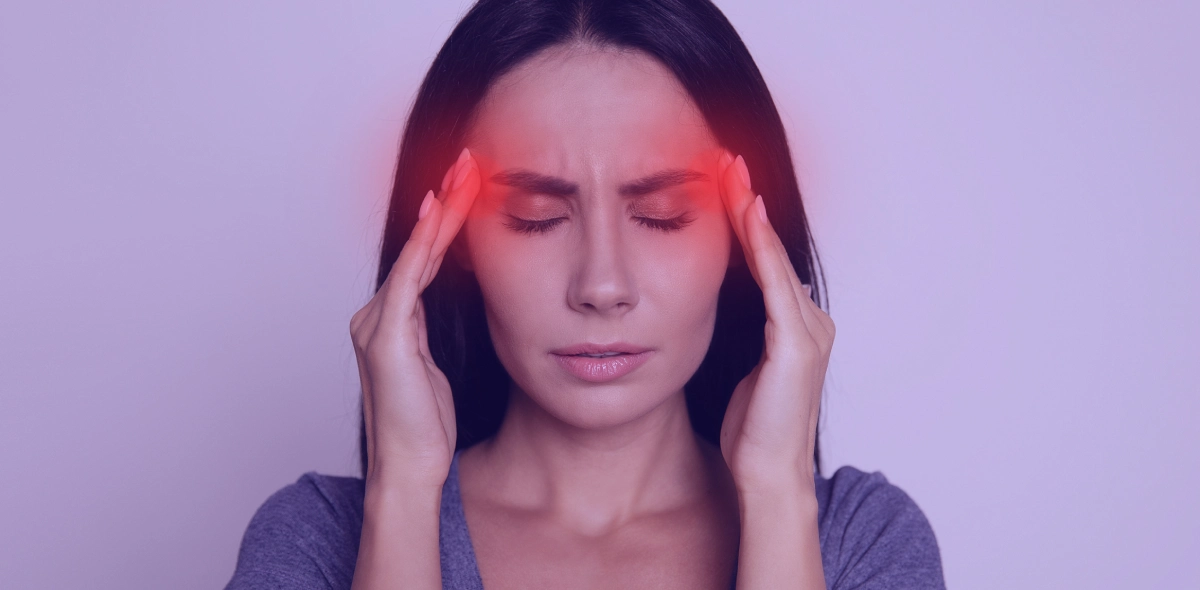
Migraine is a common yet debilitating neurological condition that affects millions of people worldwide. Unlike a typical headache, migraines often come with severe throbbing pain, nausea, and sensitivity to light and sound. For many, the impact extends beyond physical discomfort—disrupting daily life, work, and emotional well-being.
In this comprehensive guide, we’ll explore:
- The science behind migraines and what triggers them
- Key symptoms that distinguish migraines from regular headaches
- Proven treatment options, including medications, lifestyle changes, and alternative therapies
- When to seek professional help and how neurologists can assist
Whether you’re a sufferer or supporting someone with migraines, understanding this condition is the first step toward effective management.
What Is a Migraine? (Science & Triggers)
Migraine vs. Headache: Key Differences
- While tension headaches cause mild to moderate discomfort, migraines are characterised by:
- Intense, pulsating pain (often on one side of the head)
- Duration of 4–72 hours if untreated
- Accompanying symptoms like nausea, vomiting, and light/sound sensitivity
Common Causes & Triggers
Migraines result from abnormal brain activity affecting nerve signals and blood vessels. While the exact cause remains unclear, research points to:
1. Genetic Factors
- Family history plays a key role—if a parent has migraines, their child has a 50% chance of developing them.
2. Hormonal Changes
- Women are three times more likely to suffer due to hormonal fluctuations (menstruation, pregnancy, menopause).
3. Environmental & Lifestyle Triggers
- Foods: Aged cheese, processed meats (nitrates), alcohol (especially red wine), MSG
- Stress & Sleep: Irregular sleep patterns, anxiety, and exhaustion
- Sensory Stimuli: Bright lights, loud noises, strong smells
- Weather Changes: Humidity, barometric pressure shifts
4. Neurological Factors
- Serotonin imbalances may trigger migraines in some individuals.
Recognising Migraine Symptoms & Stages
Migraine episodes often follow four distinct phases, though not everyone experiences all of them:
1. Prodrome (Warning Stage – 24–48 Hours Before)
- Mood changes, food cravings, neck stiffness, frequent yawning
2. Aura (Occurs in ~25% of Cases)
- Visual disturbances: Flashing lights, zigzag lines, blind spots
- Tingling/numbness in face or hands
- Speech difficulties (rare)
3. Attack (Peak Pain Phase – 4–72 Hours)
- Severe throbbing pain, usually one-sided
- Nausea, vomiting, dizziness
- Heightened sensitivity to light, sound, smells
4. Postdrome (“Migraine Hangover”)
- Fatigue, confusion, mood swings (lasting up to a day)
When to Seek Emergency Care
Seek immediate medical help if experiencing:
- Sudden, severe headache (“thunderclap” pain)
- New neurological symptoms (weakness, slurred speech)
- Headache after head injury
Effective Migraine Treatments & Prevention
Medical Treatments
1. Acute Medications (Symptom Relief)
- Pain Relievers: Ibuprofen, aspirin, acetaminophen (for mild attacks)
- Triptans: Sumatriptan, rizatriptan (constrict blood vessels, block pain pathways)
- Anti-Nausea Drugs: Metoclopramide, ondansetron
2. Preventive Medications (Reduce Frequency)
- Beta-blockers (e.g., propranolol)
- Antidepressants (e.g., amitriptyline)
- CGRP Inhibitors (e.g., erenumab)—newer injectable treatments
3. Botox for Chronic Migraine
- FDA-approved for patients with 15+ headache days/month
Lifestyle & Alternative Therapies
1. Dietary Adjustments
- Stay hydrated, avoid tyramine-rich foods (aged cheese, smoked fish)
- Consider magnesium & riboflavin (B2) supplements
2. Stress Management
- Yoga, meditation, deep breathing
- Regular sleep schedule (7–9 hours nightly)
3. Acupuncture & Biofeedback
- Some studies show 40–50% reduction in migraine frequency
How Neurologists Can Help
- If migraines frequently disrupt your life, a neurologist or headache specialist can:
- Diagnose accurately (ruling out other conditions like strokes or tumours)
- Prescribe personalised treatment plans (medications, nerve blocks, lifestyle changes)
- Offer advanced therapies (CGRP inhibitors, Botox, neuromodulation devices)
When to See a Doctor
- If migraines occur ≥8 days/month
- If over-the-counter meds stop working
- If headaches worsen or change in pattern
Conclusion: Taking Control of Your Migraines
While migraines can be debilitating, understanding triggers and treatment options empowers better management. Combining medical therapies with lifestyle changes often yields the best results.
If migraines affect your quality of life, consulting a neurologist can provide targeted relief. At Sydney Migraine Clinic, we specialise in advanced headache treatments—helping patients regain control and live pain-free.
Ready for Relief
Book a consultation to explore personalised migraine solutions today.